
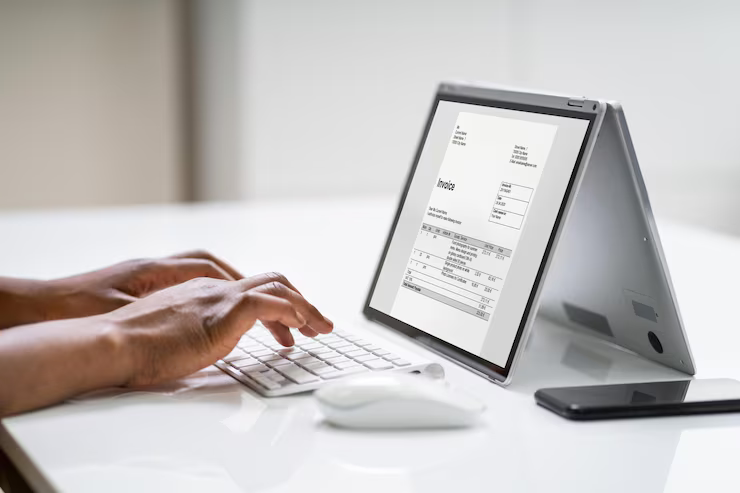
Why Managing Digital Receipts Matters for Tax Compliance
Digital receipts are now essential for UK taxpayers under HMRC’s Making Tax Digital initiative. They simplify compliance, audits, and bookkeeping by providing secure, organised records. Managing e-receipts properly ensures accuracy, reduces costs, prevents data loss, and supports a sustainable, paperless business environment.
For UK taxpayers and businesses, the move toward digital record-keeping isn’t optional anymore; it’s a legal expectation. With HMRC’s Making Tax Digital (MTD) initiative, all self-employed individuals and registered businesses must maintain and submit accurate digital records.
That includes receipts. Whether you’re claiming expenses, calculating VAT, or preparing for an HMRC review, properly managed digital receipts ensure your financial data remains accurate, accessible, and compliant.
What are digital receipts?
Digital receipts (also known as e-receipts) are electronic versions of the paper receipts traditionally handed out at the point of sale. They can be delivered via email, SMS, app, or cloud-based accounting software. Each digital receipt contains the same essential details—vendor name, purchase amount, date, and VAT information—but in a secure, searchable format.
When managed correctly, they become a reliable digital trail of business transactions, forming part of your official tax records.
Why managing digital receipts is important for tax
1. Compliance with HMRC and Making Tax Digital
MTD requires businesses to keep digital copies of all financial records, including invoices and receipts. Properly managing digital receipts means:
-
You meet record-keeping standards set by HMRC.
-
Receipts are easily accessible for tax filings or inspections.
-
You can link each expense directly to bookkeeping and VAT software, reducing errors.
HMRC also allows scanned or photographed copies of paper receipts, provided they are legible, complete, and stored for at least six years.
2. Easier audit and verification
During the procedure of an HMRC audit or compliance check, digital receipts provide a clear and verifiable trail of your transactions. Instead of sifting through boxes of faded paper, you can retrieve precise records instantly.
This transparency not only ensures faster responses to HMRC queries but also builds trust in the accuracy of your business’s financial data.
3. Streamlined bookkeeping and expense management
Digital receipts integrate seamlessly with cloud-based accounting tools like Basetax, QuickBooks, and Xero. By automatically categorising and storing receipts, you:
-
Save hours of manual data entry.
-
Avoid missing deductible expenses.
-
Reduce the risk of misplacing key financial records.
Automation also means your books are always up to date—vital when quarterly VAT submissions or self-assessment deadlines approach.
4. Reduced risk and improved accuracy
Paper receipts can fade, tear, or disappear over time. Digital receipts, on the other hand, are backed up automatically, password-protected, and retrievable from multiple devices.
By keeping everything in one secure, digital environment, you reduce the chance of:
-
Duplicate claims
-
Data loss
-
Misreported expenses
These small details can make a big difference when calculating accurate taxable income.
5. Cost savings and sustainability
Managing digital receipts isn’t just about compliance—it’s also a smarter financial and environmental decision. Businesses spend less on printing, filing, and physical storage.
And because digital systems are cloud-based, you’ll cut down on administrative costs while contributing to more sustainable, paperless operations.
Best practices for managing digital receipts
To stay fully compliant with HMRC’s expectations, businesses should:
-
Capture receipts promptly: Use mobile apps or scanning tools immediately after purchases.
-
Store in secure formats: Save as PDF or image files that preserve data and timestamps.
-
Use cloud-based accounting software: Automate sorting, tagging, and integration with your bookkeeping system.
-
Backup regularly: Keep at least one additional secure backup of all digital receipts.
-
Retain for six years: Ensure archived receipts remain legible and retrievable.
Final Thought
Digital receipts are more than just a modern convenience—they’re a core component of tax compliance and efficient bookkeeping.
By managing them properly, you ensure that your financial records are accurate, audit-ready, and aligned with HMRC’s digital standards. It’s a simple step that saves time, reduces stress during tax season, and keeps your business future-proof in an increasingly paperless world.
